







The FSB is under pressure to deliver comprehensive rules on the international regulation of cryptocurrencies. October presents clarity on changes for the blockchain-based financial sector.
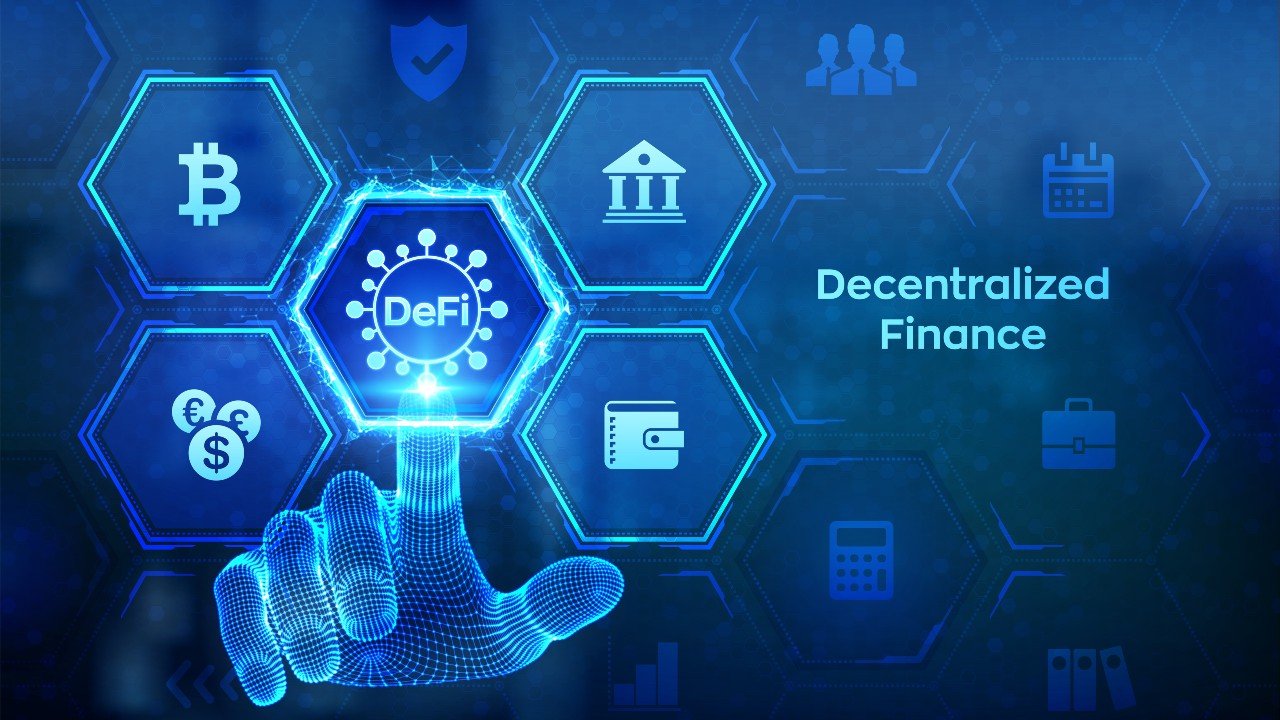
The extreme volatility of the crypto market raises concerns about financial experts and the organisations that must ensure global financial stability. Decentralised finance (DeFi) is a speculative investment, and many compare it to gambling. Leaders worldwide have called for greater control over blockchain-based finance.
Although the Financial Stability Board (FSB) committed to an October deadline for the regulatory framework of stablecoins, financial leaders urge the body to speed up the creation of global regulations for all cryptocurrencies.
A German banker from the Deutsche Bundesbank suggests a bank-style international regulator as the answer and dubbed DeFi as a casino for speculative investors.
 The Crypto Roller-Coaster
Recent crashes in the crypto market are far from isolated events in the DeFi industry and finance ministers from the Group of Seven (G-7) large, developed economies demand proper regulations for the crypto industry.
Joachim Wuermeling insisted on immediate action for definitive regulations to safeguard investors and the global economy from the erratic behaviour in the DeFi market. The German central banker believes the fast-growing cryptocurrency segment poses a threat to the greater financial industry. He is not alone in his conviction.
G7 called for the development and implementation of consistent and comprehensive regulations and Wuermeling proposed a standard-setting body akin to the Basil Committee on Banking Supervision. The Deutsche Bundesbank executive also reiterated the interconnected nature of DeFi and that cross-border international cooperation is key to successful regulation.
 DeFi Intertwined with Traditional Finance
Global leaders in the traditional financial sector, including the FSB, point to the links between crypto-assets and traditional financial systems. The FSB states that this can lead to spill-over effects on integral sections of traditional finance, like short-term funding markets.
Meanwhile, the FSB continues to develop clear and comprehensive standards for regulating and supervising crypto-based assets, including stablecoins. The body turned its focus to stablecoins following the Terra (UST) crash earlier this year. Experts say the cryptocurrency segment has a misleading name and there is no stable option with blockchain investments.
The impact of volatile crypto markets on global financial systems have everyone in traditional finance in agreement about the necessity for crypto regulation, but the conundrum of how it will work remains. Opinions vary on how to manage decentralised financial technology.
 Dissonance
Wuermeling calls for a new rule book, built on similar principles used in regulating traditional finance. Europe’s Blockchain Observatory released a study that suggests a shift from entity regulation to activity regulation.
Another approach suggested by the Bank for International Settlements incorporates embedded supervision. The latter provides a privileged perch within the DeFi code to regulators. Others suggest audits of blockchain transactions through real-life fiduciaries.
The argument about how international crypto regulation must work complicates the completion of a solid regulatory framework. Nonetheless, the FSB recently released a statement on the international regulation and supervision of crypto-asset activities. In the statement, the body explains that the anticipated stablecoin regulations will include other crypto-assets, accelerating the international regulation of DeFi.
Looking for a fresh take on crash games? We explore engaging crash and tap games with entertaining themes inspired by pop culture and classic gaming.
Learn how crypto beginners can bet safely using stablecoins like USDT and USDC. Skip market volatility and explore 4 top-rated online casinos offering fast, reliable stablecoin deposits today.
Join us for a chat with Wiktoria Hanak of BF Games to understand how the provider decides which games to make and learn more about the mathematical model and bonus feature selection process.

 Casinos
 Games
Games
 Jackpots