




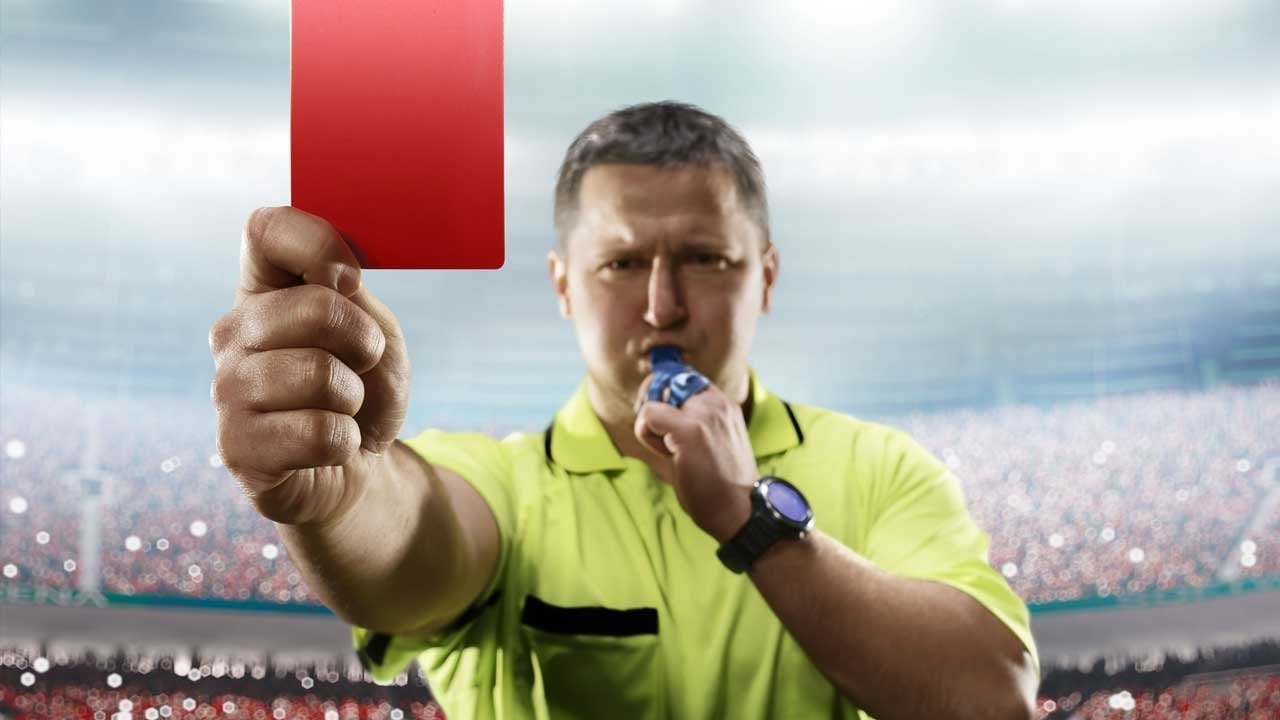
The end of gambling brands’ sponsorships of English football clubs might be nigh as the UK government plans a crackdown on sports-related gambling advertising.
Premier League kit sponsorships by gambling companies face a potential ban in the upcoming UK update of UK gambling laws in June. The recommendation was first made by the House of Lords Committee back in 2020 following concerns about gambling ads targeted at underage sports and live TV viewers.
The proposal came in the wake of research findings by GambleAware, which showed that gambling advertisements were much more likely to appeal to and consequently affect audiences under 18 years of age than had earlier been anticipated. Regarding the risks that gambling ads carry to underage and vulnerable audiences, the EFL, currently being sponsored by betting company SkyBet, responded with a counter opinion. The EFL stated that there is no directly established link between sponsorship by gambling operators and problem gambling.
The Relationship Between UK Football and Gambling
The UK is home to about 1.4 million avid gamblers, with approximately half a million being categorized as problem gamblers. A recent study by YouGov revealed that a further 1.5 million gamblers in the UK were at risk of being harmed by gambling. Being one of the world’s most popular sports, football is at the top when it comes to attracting bettors to place wagers on different matches.
Reports indicate that some punters have been motivated to gamble after constantly being bombarded with gambling ads on TV and on the front of sponsored club kits. It is reported that gambling addicts are three times more prone to dying by suicide than any other form of addiction.
However, less than 3% of gambling addicts seek any sort of help for their dependence on betting. Some of the addicts have admitted that they were first introduced to the concept of gambling even before they could legally do so. In an interview with BBC Sport, James Grimes of The Big Step campaign group shared his thoughts on the matter, saying:
Quote“Every young fan should be able to watch their club - in the ground and on TV - without being bombarded by ads for gambling, which we know harms millions, and takes hundreds of lives every year. If the government recognizes gambling can be harmful, as this step suggests, then it must end all gambling advertising and sponsorship in football at all levels, not just on shirts.”
He added that while the move to put an end to gambling sponsorships on Premier League kits was welcome, doing so without also banning pitch-side advertising, club partnerships, and league sponsorship would not make any sense.
As the world heads deeper into the digital age, it is becoming apparent that regulations, especially those involving digital media, will need to consider the different situations that may arise during this era. These sentiments were echoed by a spokesman of the Department for Digital, Culture, Media, and Sport (DCMS), who disclosed to BBC Sport that the body was doing a thorough review of the UK gambling laws in the last 15 years to ensure that “they are fit for the digital age.”
The spokesman also told BBC Sport that, in the coming weeks, the department was set to publish a white paper that would outline the body’s plans. A draft of the white paper is already in circulation, and after the document has been finalized, the final say would come from the UK parliament.
The Advertising Standards Authority is also already working on its own set of regulations which are to take effect in October. The ASA’s rules include the prohibition of gambling ads featuring reality TV or sports celebrities and social media influencers. This would limit the exposure of underage viewers and vulnerable audiences to gambling activities which may cause them harm in the long run. The Committee of Advertising Practice (CAP) shared that gambling and lottery ads had a certain allure to kids and younger audiences due to their depictions of youth culture.
Gambling Brand Sponsorships Would be Devastating for Clubs
Partnerships between Premier League teams and betting operators have increased exponentially in recent years. It’s worth noting that in the 2021/22 season, up to 50% of the 20 teams have some form of partnership with a betting company.
Meanwhile, per the House of Lords committee in 2020, Premier League clubs would have to face a ban as soon as the recommendations are ratified. But then again, this ban would not apply to Championship clubs, which would be allowed to gradually phase out any existing partnerships.
As the UK government prepares to decide what will make it to the new gambling laws, some lobbyists have questioned the government’s reluctant plan for Championship clubs. The lobbyists have pointed out that the prohibitions on gambling ads, which they think are a good idea, would be more coherent if the English Football League clubs were also included in the outright ban.
The EFL has since responded, stating that a ban on gambling sponsorships would lead to a devastating loss for clubs to an estimated £40m annually. However, with the current Premier League season wound up, it appears that when the final draft of the white paper is eventually published, it would be too late for the update to take effect in the 2022/23 season. This is because the clubs may already be in negotiations regarding sponsorships for the next season.
Looking for a fresh take on crash games? We explore engaging crash and tap games with entertaining themes inspired by pop culture and classic gaming.
Learn how crypto beginners can bet safely using stablecoins like USDT and USDC. Skip market volatility and explore 4 top-rated online casinos offering fast, reliable stablecoin deposits today.
Join us for a chat with Wiktoria Hanak of BF Games to understand how the provider decides which games to make and learn more about the mathematical model and bonus feature selection process.

 Casinos
 Games
Games
 Jackpots