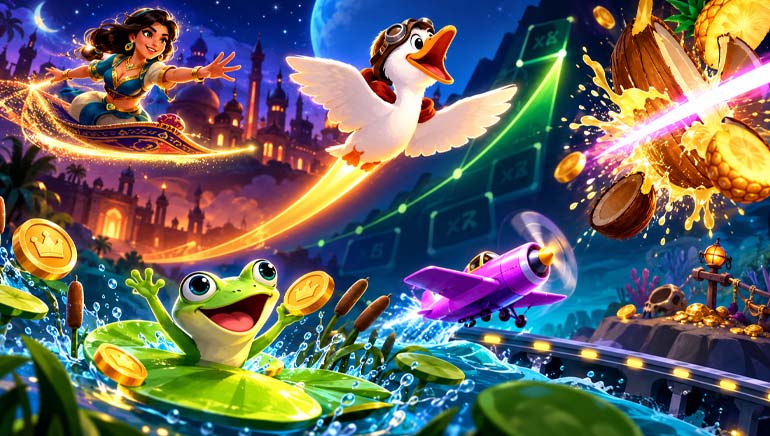









AI has become a daily norm in many of our lives, but those who create art in different forms are fighting back. Digital art can be stolen and tweaked by AI - all in the name of ‘the future’ but what can be done?
You can’t spell “artificial intelligence” without “art”, and unfortunately, it’s not always in the best interest of the creator. Artists understand that digital artworks are the future, but that doesn’t mean that they’re okay with AI being “trained” to use and mimic their hard work - for free.
After learning that AI software can essentially copy the art style and works available on the internet, many creators have decided to take a stand. One particular artist, US illustrator Paloma McClain, has turned to using software to try and fight AI bots and models.
McClain decided to start using Glaze, a free software that was developed by the University of Chicago. She did so, stating:
Quote"I believe truly meaningful technological advancement is done ethically and elevates all people instead of functioning at the expense of others."
Created in only four months, Glaze disrupts systems used by AI that are required to “learn”, and this, in turn, keeps artworks safer than before.
 Software for the Future
While Glaze has drawn the attention of many artists, there are other options available too. Websites like haveibeentrained.com and Kudurru exist to fight back against AI.
Spawning is the startup behind both Kudurru and haveibeentrained.com. This company essentially exists to find ways to outsmart AI software.
Kudurru harvests large numbers of similar images from the internet in a similar way to how AI models learn new art forms. Artists can then block access to certain images or provide different images that don’t match those in the batch to taint the data.
Another smart piece of software is AntiFake which aims to thwart AI models that copy voices and faces. This helps protect art, celebrities, and every day users of the internet. While these tools have been designed to fight a very specific problem, the results can, in fact, protect everyone.
 AI and Online Gambling
While AI gets a bad rap, it’s not all terrible, and it can make a difference where it matters.
Artificial Intelligence has been integrated into many different industries as it has become more widely understood and found to be useful. One such industry is the world of online gambling and casinos.
Many online gambling sites have started to use AI as a way to make playing safer for their punters. AI tools are able to track players and their habits, for a chance to spot any problems before they begin. It can also be used in the creation of new games as software providers look to use AI to create experiences that accommodate everyone.
While AI is being used in a fairly positive manner at online casinos, it’s still a tool that can be dangerous when not monitored and controlled. Smart software and tighter regulations are a good way to ensure that AI is used for the benefit of users, and not the downfall.
Thankfully, the online casino industry is often at the forefront of adapting and improving new tech as it aims to always keep players betting in the best environment possible.
Looking for a fresh take on crash games? We explore engaging crash and tap games with entertaining themes inspired by pop culture and classic gaming.
Learn how crypto beginners can bet safely using stablecoins like USDT and USDC. Skip market volatility and explore 4 top-rated online casinos offering fast, reliable stablecoin deposits today.
Join us for a chat with Wiktoria Hanak of BF Games to understand how the provider decides which games to make and learn more about the mathematical model and bonus feature selection process.

 Casinos
 Games
Games
 Jackpots