





Gambling and fintech services are both distinctly different and very similar at the same time. We delve into the distinctions and intersections of both pursuits, examining the convergence and gamification of financial services in crash games.
In the ever-evolving digital landscape, the line between gambling and financial investment has never been narrower.
The convergence of gambling and financial services has become a concerning trend in Sweden, more specifically, the “gamification” of financial services. On schoolyards, young people see the stock market as a casino, with a speculative approach to buying shares and discussions about getting rich quickly. Trading is frequent, and often a security is only held for hours or days.
With financial apps that feature user interfaces resembling video games, there is a risk that economic decisions may be influenced by the same psychological mechanisms traditionally associated with problem gambling.
 Key Differences Between Gambling and Financial Services
Gambling involves wagering money on relatively uncertain outcomes with the potential for financial gain or loss. Financial services, on the other hand, encompass a broad range of activities designed to manage money and investments. While seemingly distinct, these two realms often overlap, particularly in areas such as speculation, risk-taking, and the pursuit of financial gain.
Comparing Risk in Gambling vs. Financial Investment:
Betting and financial speculation both involve risk, but whereas speculation involves a degree of calculated risk and a greater potential for positive returns, gambling relies more on chance.
Financial markets involve inherent risk, and investors often need to employ strategies that resemble gambling to gain maximum returns.
Blurring the Line Between Investing and Gambling:
The rise of cryptocurrencies has blurred the lines even further, with many viewing cryptocurrency trading as a form of gambling due to its high volatility and potential for rapid “wins or losses.”
Many crypto-enabled casinos now incorporate blockchain-based payment systems for faster, more private transactions. This innovation appeals to users at both ends of the spectrum—those seeking reward through speculation and those drawn to the thrill of gambling.

 Hong Kong Approves Crypto Staking Services
In a notable move, the Hong Kong Securities and Futures Commission (SFC) has announced new regulatory guidance, permitting Virtual Asset Trading Platforms (VATPs) and exchange-traded funds (ETFs) to offer staking services.
Crypto ETFs Driving Adoption of Digital Assets:
The rise of crypto ETFs marks a milestone in the mainstream adoption of digital assets. These investment vehicles allow traditional investors to gain exposure to cryptocurrencies such as Bitcoin and Ethereum without holding them, and provide a regulated, convenient structure. A Bitcoin futures ETF issues publicly traded securities that offer exposure to Bitcoin futures price movements.
As regulatory frameworks evolve, crypto ETFs are expected to play a prominent role in bridging the gap between traditional finance and the digital asset economy.
The SFC emphasised the growing demand for staking services, which allow users to participate in blockchain security and operation while earning rewards, making it a popular method for generating passive income in the cryptocurrency space.
Crypto Staking and Why It's Popular With Investors:
Staking services allow users to earn rewards by holding and staking digital assets on a blockchain network—essentially “locking them up” to support transaction validation and security.
This process is crucial for Proof-of-Stake (PoS) blockchains. In return for staking, users receive rewards, often in the same cryptocurrency, providing a solid return on investment.
The main advantage is earning passive income without selling your assets. It also encourages users to hold onto assets, which can help stabilise prices.
The main risk, however, is the lockup period. On many platforms, this means users cannot access, transfer or sell their crypto. If the market price drops significantly, losses could outweigh the rewards gained.
 Where Online Gambling Meets Financial Trading
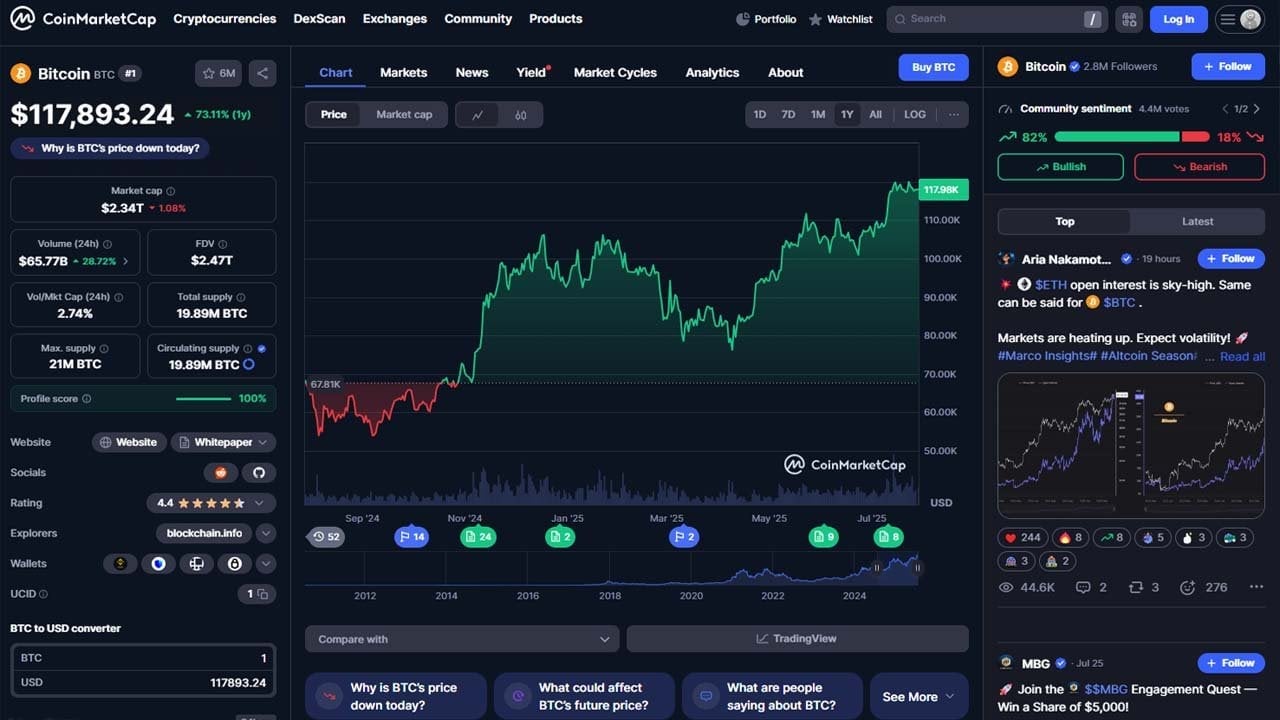
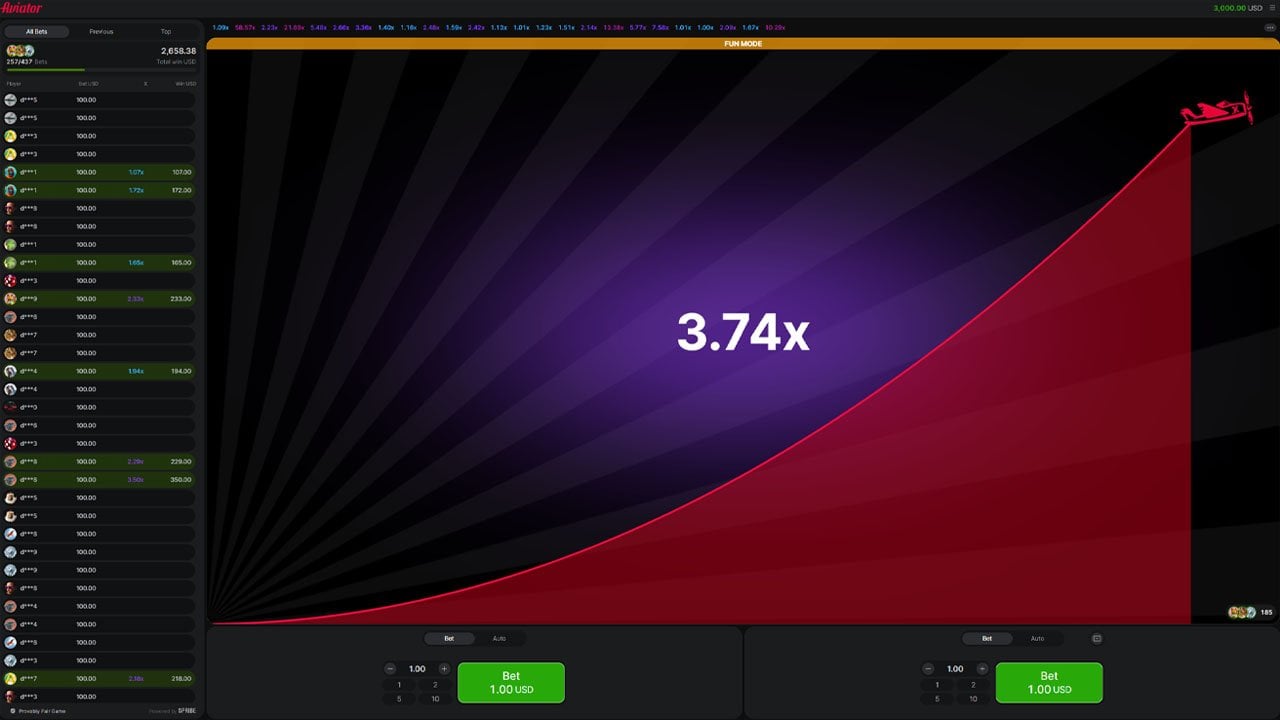
The convergence of financial services and gaming is most evident in the crash game genre—the fast-paced betting format that combines simple gameplay with a visual style reminiscent of financial trading, resembling a stock or cryptocurrency graph.
Crash games mimic financial trading with real-time charts, fluctuating values, and high-risk timing, tapping into the adrenaline of investment—particularly day trading or crypto speculation—while being governed entirely by chance.
 What Are Crash Games in Crypto Casinos?
The first crash games appeared in 2017 and gained traction in cryptocurrency casinos. They combine the excitement of rising multipliers with the unpredictability of crashes, offering fast-paced strategic betting opportunities.
Why Crash Games Are Exploding in Online Casinos:
Crash games began as a sub-genre but have become one of the most popular iGaming options. Many online casinos now present crash games in dedicated sections, separate from traditional casino and live casino categories.
How Crash Games Work - Rules, Multipliers and Strategy:
Players place a stake before the round starts, then watch the on-screen multiplier climb. They can cash out based on the current multiplier, but they will lose their stake if they don’t cash out before the price crashes.
The longer they wait, the bigger the potential payout—but also the risk of losing everything. Some versions introduce twists like leaderboards, live chat, auto cash-out, and multiple bets per round for added strategy. Rounds last seconds, so players must act quickly—deciding between small, safe returns or risking it all for larger gains.
Crash Games vs. Investing - Which Offers Better Returns?
Whether betting or financial services are the “better bet” remains speculation. Betting odds are stacked against the player, with the house edge typically ranging from 2% to 15%. Financial markets trend upward over time, though short-term volatility can resemble gambling.
Gambling over time results in negative expected returns, an average of $95 returned per $100 wagered, while long-term investing with diversification, time, and discipline generally yields positive returns.
The conclusion? ETFs and diversified assets are statistically safer long-term—but thrilling, short-term gambling wins still draw millions.
Looking for an exhilarating short-term ‘investment’ that's entertaining and lucrative? Then check out our popular crypto casinos or local currency gambling sites for enthralling crash games!
Looking for a fresh take on crash games? We explore engaging crash and tap games with entertaining themes inspired by pop culture and classic gaming.
Learn how crypto beginners can bet safely using stablecoins like USDT and USDC. Skip market volatility and explore 4 top-rated online casinos offering fast, reliable stablecoin deposits today.
Join us for a chat with Wiktoria Hanak of BF Games to understand how the provider decides which games to make and learn more about the mathematical model and bonus feature selection process.

 Casinos
 Games
Games
 Jackpots